Broast vs Fried Chicken - The Real Difference Explained
Most people think broast vs fried chicken is the same debate. Two names. One thing.
They are not the same. Not even close.
Broast vs fried chicken comes down to how the chicken is seasoned and how it is cooked. One is injected with spices and pressure-fried in a sealed fryer. The other is coated and dropped into open oil. That difference changes the flavour, the juiciness, the oil, and the very last bite near the bone.
Read this once and you will never confuse the two again. You will also know exactly what to test the next time a shop sells you fried chicken and calls it broast.
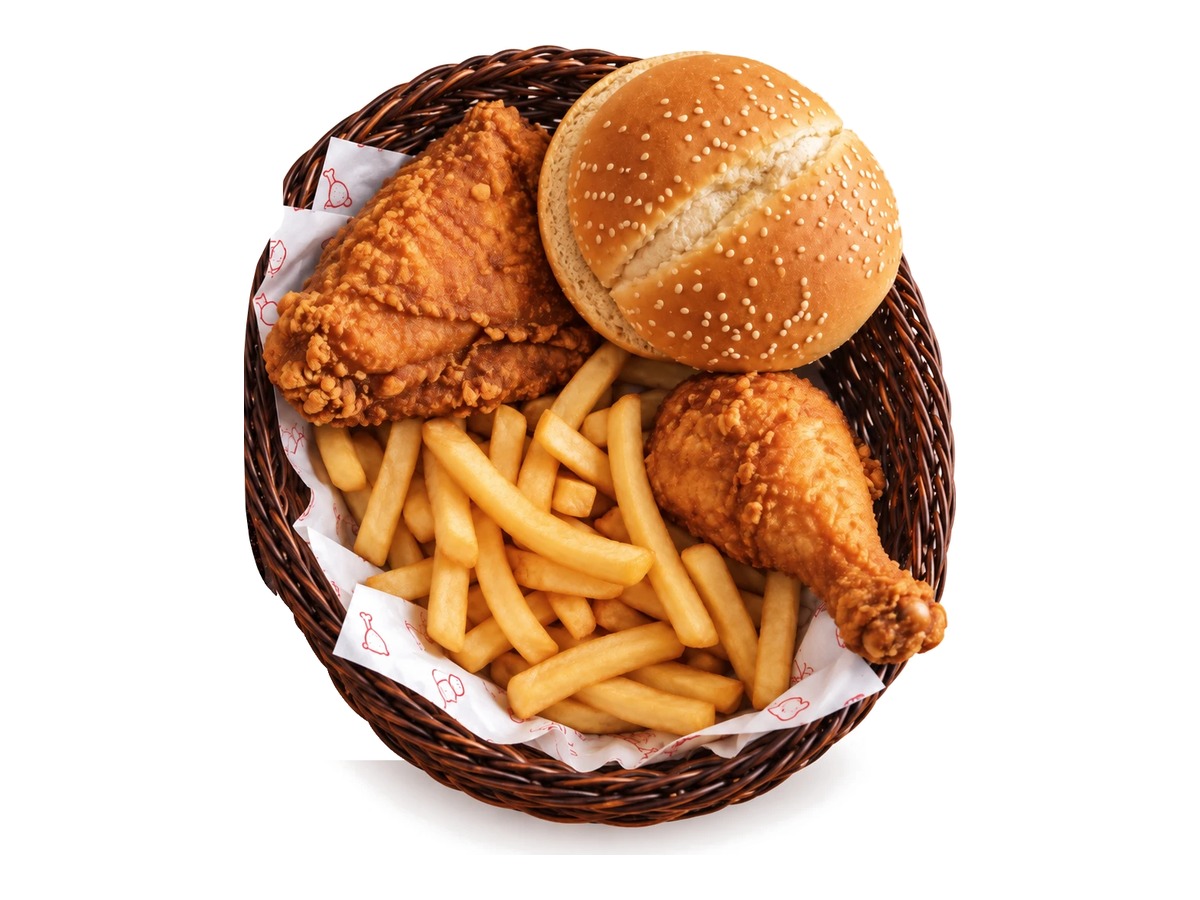
Broast vs Fried Chicken - The Myth That They Look the Same
Here is why the confusion exists. Put a piece of broast and a piece of fried chicken side by side. Both are golden. Both are coated. Both crack when you bite them. From the outside, your eyes tell you they are twins.
Your eyes are lying to you.
The coating is just the uniform. What matters is what happened to the chicken before the coating went on, and what happened inside the fryer after. That hidden process is the whole story. Two chickens can wear the same golden crust and taste completely different inside.
Think of it like two cars with the same paint. One has a real engine under the bonnet. The other has paint and nothing else. You only find out when you drive. With chicken, you only find out when you reach the centre of the piece.
That is where most people get fooled. The first bite is all coating. Every shop can make a tasty coating. The real test starts at bite three, when the coating is gone and only meat is left. Broast passes that test. Regular fried chicken often fails it quietly.
So let us break the difference between broast and fried chicken down properly, piece by piece, method by method, with no marketing fog.
What Fried Chicken Actually Is
Regular fried chicken is simple, and simple is not always bad. The chicken is seasoned, coated in flour or batter, and deep-fried in an open kadhai or an open fryer. The oil is hot. The air above it is open. The pressure is just normal atmospheric pressure, the same pressure in your kitchen right now.
The seasoning mostly lives in the coating. Some shops add a surface marinade for a short time, and that helps a little near the skin. But spices on the surface cannot travel deep into a thick thigh or breast piece on their own. What is on the outside stays on the outside.
Now the frying. Open frying takes longer because the heat has to fight its way to the centre at normal pressure. While it does that, two things happen that you do not want. The outside keeps absorbing oil. And the inside keeps losing moisture, slowly, the whole time it cooks.
The result is familiar to every Pakistani family. The coating tastes good for the first two bites. Then you reach the middle and the meat is plain. Sometimes it is dry. Sometimes the thickest part near the bone is almost tasteless, like boiled chicken hiding inside a spicy jacket.
None of this means fried chicken is a scam. A fresh, well seasoned fried chicken, eaten hot on the spot, can be a perfectly fine meal. But it has a ceiling, and that ceiling is the centre of the piece. Surface flavour can only go so far, and open frying can only protect moisture so much.
Hold that thought, because broast was invented to break exactly that ceiling.
What Broast Actually Is - The Jeddah Way
Broast was born in Saudi Arabia, in the Al Baik style tradition of Jeddah. It was not a new name for fried chicken. It was a new answer to an old problem: how do you get flavour and juice all the way through the piece, every single time?
The answer has two parts. Injection and pressure.
First, the injection. The chicken is marinated and injected with a spice blend, deep into the meat itself. Not rubbed on the skin. Not sprinkled on the coating. Injected, so the seasoning sits inside the thickest parts of the piece before any batter touches it. The flavour starts from the centre and works out, instead of sitting on the surface and hoping.
Second, the pressure fry. The coated chicken goes into a sealed pressure fryer. The lid locks. Pressure builds inside. And that pressure changes the cooking completely, in simple words like this.
Under pressure, the chicken cooks faster. The moisture inside the meat cannot escape easily, so it stays where it belongs, inside the piece. The coating turns crisp and golden in less time, which means the chicken spends less time in oil and absorbs less of it. You get a crisp outside and a juicy inside in the same piece, at the same time.
That is the science, without the textbook. Pressure seals the juice in. Speed keeps the oil out. Injection puts the flavour deep. Remove any one of the three, and you are back to regular fried chicken with a fancy name.
If you want the deep story of the injection step alone, read our guide on what injected broast is after this article. It explains why even the wings matter.
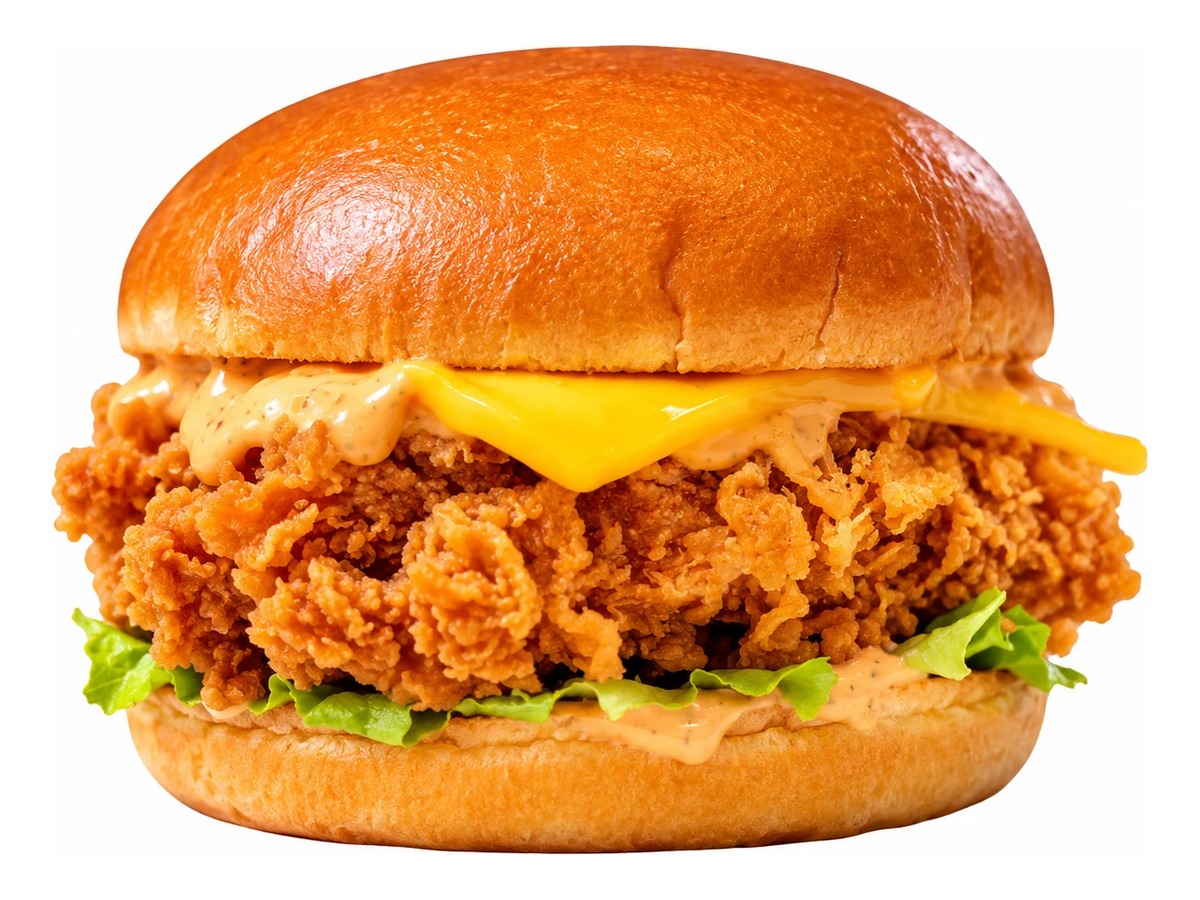
Broast vs Fried Chicken - Head to Head Comparison
Enough talk. Here is the full comparison, point by point, so you can judge any shop in ten seconds.
| Point | Broast | Fried Chicken |
|---|---|---|
| Cooking method | Pressure-fried in a sealed pressure fryer | Open deep-fried in a kadhai or fryer at atmospheric pressure |
| Where the flavour lives | Injected deep inside the meat, plus the coating | Mostly in the coating or a surface marinade |
| Juiciness | Moisture sealed inside, juicy to the bone | Centre can dry out during the longer fry |
| Oil | Less oil absorption, faster cook in sealed oil | More time in open oil, more absorption |
| Cooking time | Faster, pressure speeds up cooking | Longer, heat works at normal pressure |
| Coating texture | Crisp, golden, even, stays crunchy | Can be crisp, but softens faster and varies by batch |
| Best for whom | Anyone who wants flavour and juice in every bite, to the last bite | Anyone happy with coating flavour and eating it fresh and fast |
Read that table again and one line does most of the work. Where the flavour lives. Everything else, the juiciness, the oil, the texture, flows from the method. But the flavour line is the one your tongue will vote on.
The Flavour Test - The Bland Centre Problem
Let us run the test that settles broast vs fried chicken in real life. No lab. No expert. Just you and one piece of chicken.
Eat the coating first and enjoy it. Both styles can win this round. Now take a bite from the thickest part of the meat, right near the bone, with no coating on it at all. Just meat. Taste only that.
With regular fried chicken, that bite is where the truth comes out. Plain. Mild at best. Sometimes dry enough that you reach for a dip to save it. The dip is doing the job the seasoning should have done.
With real injected broast, that same bite tastes seasoned. It is juicy. It tastes like the first bite promised it would. That is because the spice blend was put inside the meat before frying, and the pressure fry kept the juice locked around it.
This is why our regulars use one line again and again: juicy to the bone. It is not a slogan we invented in a meeting. It is the result of that test, repeated at family tables across Lahore, Faisalabad and Jhelum.
Try the test honestly on your next order from anywhere, including us. If the centre is bland, you did not eat broast, whatever the menu said. If the centre is seasoned and juicy, you did. It really is that simple, and now you know it.
For more on how to judge a great plate, our guide to the best broast in Lahore gives you the four tests we use ourselves.
Which One Should You Choose? An Honest Answer
Here is the honest part, because a guide that only sells is not a guide at all.
Choose regular fried chicken when you want a quick, simple, coating-first bite and you will eat it fresh on the spot. For a fast snack where the crust is the main event, it does its job. Just know what you are getting and do not pay broast prices for it.
Choose broast when the meat itself has to taste like something. Family dinners. Guests at the table. Kids who leave bland chicken untouched on the plate. Any meal where the last bite matters as much as the first. That is broast territory, every time.
Choose broast also when the food has to travel. Delivery orders punish weak chicken. Open-fried pieces dry out on the ride home, and the coating softens. Pressure-fried broast holds its juice and its crunch far better by the time the rider reaches your gate.
And choose by the test, not by the signboard. Any shop can print the word broast in big letters. Very few inject the meat and pressure-fry it the original way. Ask the question, run the centre test, and let the chicken answer.
Why Dajaj Does Broast the Original Way
At Dajaj Broast, we do not do the shortcut version. Our method follows the original Jeddah recipe, step by step, at every branch.
Our spice blend is injected deep into the meat before battering. Even the wings are injected, and wings are where most kitchens stop trying because the pieces are small. We do not stop. If it goes in the fryer, the flavour goes inside it first.
Then the chicken is battered and pressure-fried to order. Crisp golden coating outside. Seasoned, juicy meat inside, all the way to the bone. We are a halal, family-run brand, and this one process is the promise behind every box that leaves our counters.
You can taste it across 8 branches: Johar Town, Gulberg, DHA, Mall Road and Lake City in Lahore, Civil Lines and Market Place in Faisalabad, and Kala Gujran in Jhelum. Same injection. Same pressure fry. Same Jeddah recipe, whichever city you order in.
The prices are straight too. Quarter Broast Rs 750. Half Broast Rs 1300. Full Broast Rs 2500. Zinger Rs 550. Wings Rs 750. The Habibi Deal is Rs 800 for a complete solo meal, and the Family Deal is Rs 6400 for the full family table. Delivery is free, there is no minimum order, and you can check the full menu on our homepage before you decide.
Frequently Asked Questions
What is the main difference between broast and fried chicken?
The main difference between broast and fried chicken is the cooking method and where the flavour lives. Broast is injected with spices deep into the meat and pressure-fried in a sealed fryer, so it stays juicy and seasoned to the bone. Regular fried chicken is open deep-fried and most of its seasoning sits in the coating only.
Is broast less oily than fried chicken?
Yes, properly made broast absorbs less oil. The sealed pressure fryer cooks faster and the pressure helps keep oil out while sealing moisture in. Open deep-frying takes longer, and the chicken spends more time sitting in oil at atmospheric pressure.
Why is fried chicken often bland in the centre?
Because most fried chicken is seasoned only on the surface, in the coating or a light marinade. The thick centre of the piece never gets that seasoning and can also dry out during the longer open fry. Injected broast solves this by putting the spice blend deep inside the meat before frying.
What does Dajaj Broast serve and what are the prices?
Dajaj serves injected, pressure-fried broast made to the original Jeddah recipe. A Quarter Broast is Rs 750, Half is Rs 1300, Full is Rs 2500, Zinger is Rs 550, Wings are Rs 750, the Habibi Deal is Rs 800 and the Family Deal is Rs 6400. Delivery is free with no minimum order across 8 branches.
Conclusion - Broast vs Fried Chicken, Settled
So, broast vs fried chicken. Now you know it was never just two names for one thing.
Fried chicken puts its flavour on the surface and fries in open oil, and its centre pays the price. Broast injects the flavour deep into the meat and pressure-fries it sealed, so every bite, including the last one near the bone, tastes the way it should.
The next time you order, run the centre test. Then decide with your own tongue, not with a signboard.
Or skip the testing and go straight to the original. Explore more guides on our blog, visit Dajaj Broast, and order injected Arabian broast tonight. Free delivery. No minimum order. One call does it.
Order Dajaj Broast Now
Injected Arabian broast, pressure-fried fresh, free delivery, no minimum order. Call 03-111-777-381 or order online now.
ORDER NOW Call 03-111-777-381